CEG Tobacco

Raw tobacco is an agricultural product listed in Annex I to the Treaty on the Functioning of the European Union (TFEU). Tobacco (Nicotiana tabacum L.) is cultivated for its leaves in eleven EU Member States (listed in order of production in 2024): Italy, France, Poland, Spain, Bulgaria, Greece, Croatia, Hungary, Germany, Romania, and Belgium. The first seven countries collectively account for approximately 97% of total EU raw tobacco production. The European Union contributes less than 2% of global raw tobacco output (5.8 million tonnes produced worldwide in 2022).

Overview
European Tobacco Production
In 2024, the EU imported approximately 550 000 tonnes of raw tobacco (reflecting an upward trend since 2018), whilst exports amounted to approximately 150 000 tonnes, continuing a general downward trajectory over the last ten years. Following the severe impact of the total decoupling of direct aid, the sector has undergone a sustained process of adaptation and structural reorganisation. Despite this, tobacco cultivation continues to generate significant added value for European regions in economic, social, and employment terms. Strategic choices have increasingly focused on sustainability, traceability, innovative value-chain approaches, and improved logistics. (Data source: Eurostat/UNITAB Europe.)
Agronomy
Production and Varieties
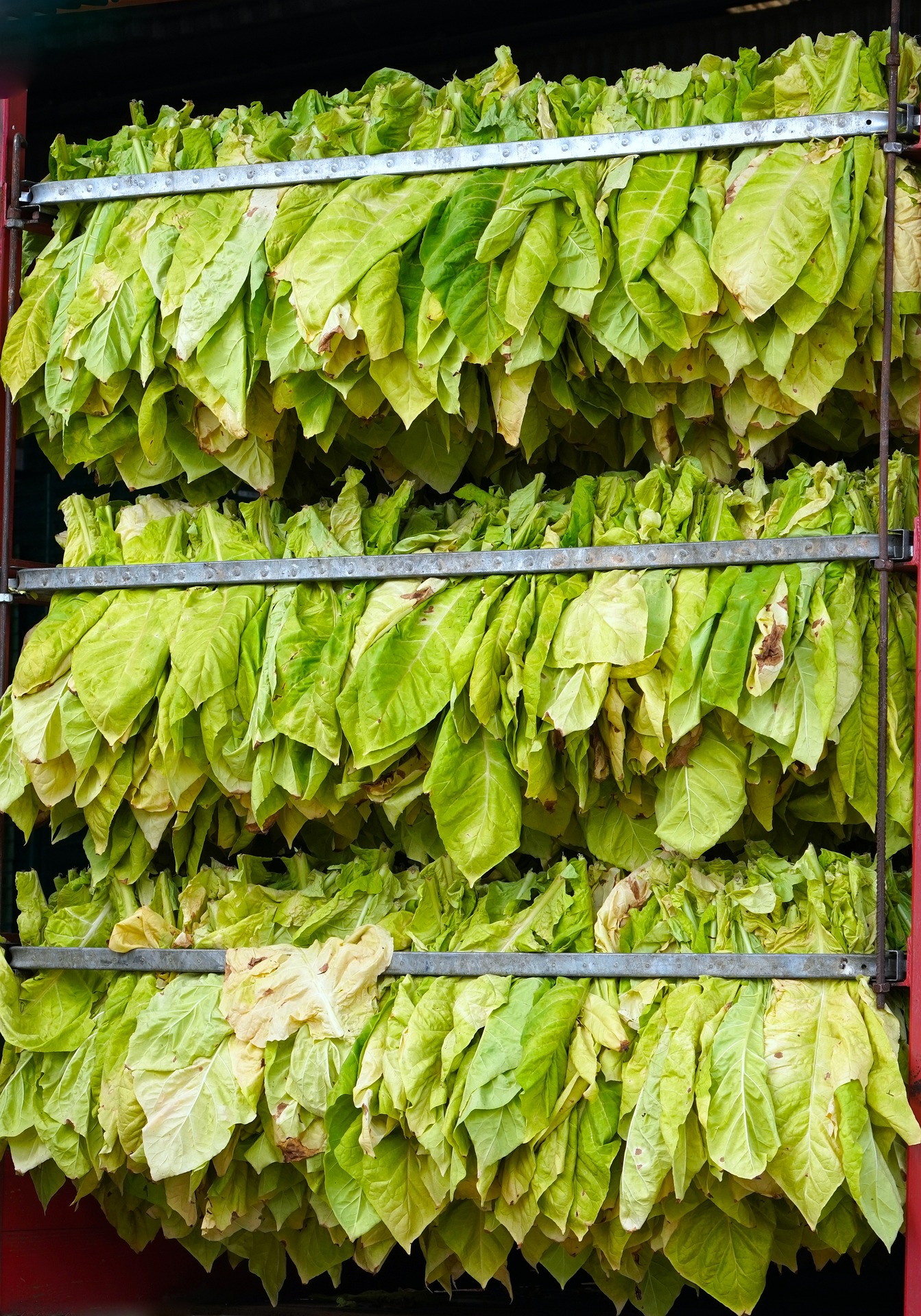
Tobacco yields range from between one and four tonnes per hectare, depending on variety, soil type, and prevailing climatic conditions. EU production is dominated by flue-cured (Virginia) varieties, which represent approximately 80% of total output.
Varietal Group Distribution
| Variety | Approximate EU Share (%) |
|---|---|
| VG01: Flue Cured (Virginia) | 80 |
| VG02: Light Air Cured (Burley; Maryland) | 11 |
| VG03: Dark Air Cured (Badischer Geudertheimer; Havanna; Nostrano del Brenta) | 1 |
| VG04: Fire Cured (Kentucky) | 4 |
| VG05: Sun Cured (Oriental) | 4 |
Source: UNITAB EUROPE
Main Challenges in Tobacco Production
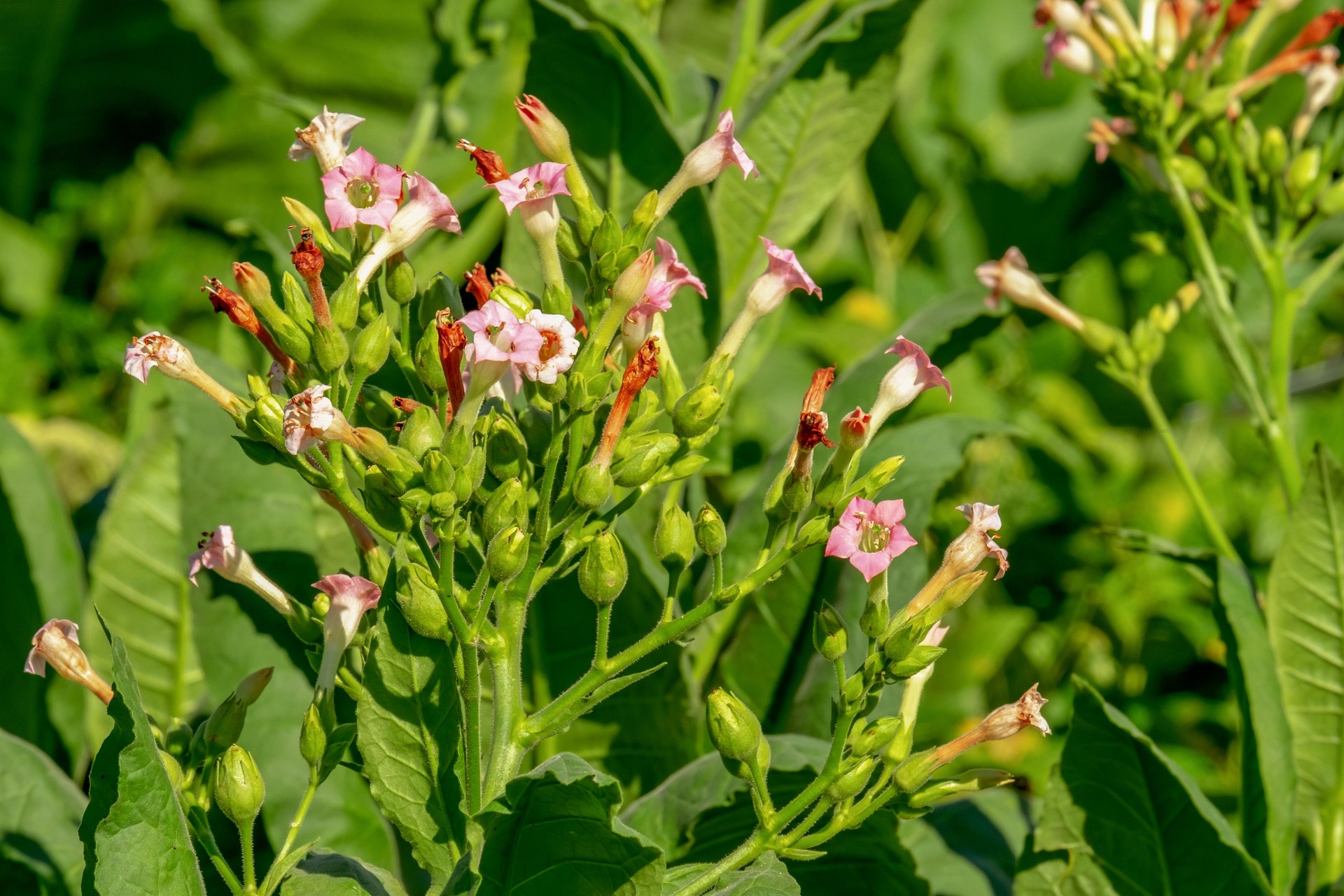
Tobacco cultivation presents multiple agronomic challenges across the production cycle. Seedlings, commonly raised in floating seedbed systems prior to transplanting, are exposed at an early stage to the risk of fungal infection. Following field establishment, plants remain susceptible to a range of bacterial, viral, and fungal diseases, as well as insect and nematode pests affecting leaves, stems, and roots. In response, the tobacco sector continues to invest in the identification and development of adequate, effective, and sustainable plant protection solutions appropriate to the specific conditions of EU production.
Integrated Pest Management
The primary biotic stresses affecting tobacco cultivation are evolving within a context characterised by regulatory restrictions, climate change, and a diminishing range of available plant protection products. Crop protection can no longer rely upon isolated interventions; instead, effective management requires an integrated pest management approach, incorporating appropriate crop rotations, rigorous soil management, continuous crop monitoring, and targeted application of authorised products to maintain yields, quality, and production sustainability.
Climate Change and Agronomic Adaptation
Progressive climate change is increasingly affecting tobacco cultivation across Europe. Rising average temperatures, more frequent and intense heatwaves, and increasingly irregular rainfall distribution are modifying the pedoclimatic conditions of major tobacco-growing regions. Farms are adopting adaptation strategies that include the selection of varieties with greater tolerance to abiotic stress, optimisation of cropping calendars, application of conservation techniques to preserve soil fertility, and more precise water management. These changes are no longer exceptional measures but have now become an integral part of modern tobacco cultivation in Europe.
Regulatory Framework
Legislative and Institutional Context
The EU tobacco sector is governed by Regulation (EU) No 1308/2013, which defines raw tobacco under Combined Nomenclature code 2401 and lays down the provisions applicable to interbranch organisations within the sector. Raw tobacco is listed in Annex I to the Treaty on the Functioning of the European Union (TFEU), affirming its status as a recognised agricultural product under EU law.
The EU tobacco sector has been a pioneer in establishing interbranch agreements (encompassing farmers, processors, and/or traders across the supply chain), most notably in Italy and Spain, which have contributed to long-term sector sustainability and greater predictability for farming operators. Nevertheless, an increasingly demanding regulatory environment, combined with structural challenges including generational renewal, rising labour costs, and a diminishing range of authorised plant protection solutions, has contributed to a progressive reduction in cultivated areas in recent years.
Key Sector Organisations
CORESTA
Cooperation Centre for Scientific Research Relative to Tobacco (https://www.coresta.org/) is an international association founded in 1956 under French law. Its purpose is to promote and facilitate international cooperation and the exchange of scientific best practice in research related to tobacco and derived products.
UNITAB EUROPE
UNITAB EUROPE is the European association of tobacco growers, established in 1952 (https://www.tobaccotactics.org/article/unitab/). It represents tens of thousands of farmers and their families across the European Union and serves as the primary voice for growers in European policy dialogue.
Member State Profiles
Highlights from Producing Countries
The following profiles present the most recent available data and key agronomic conditions for major EU tobacco-producing Member States.
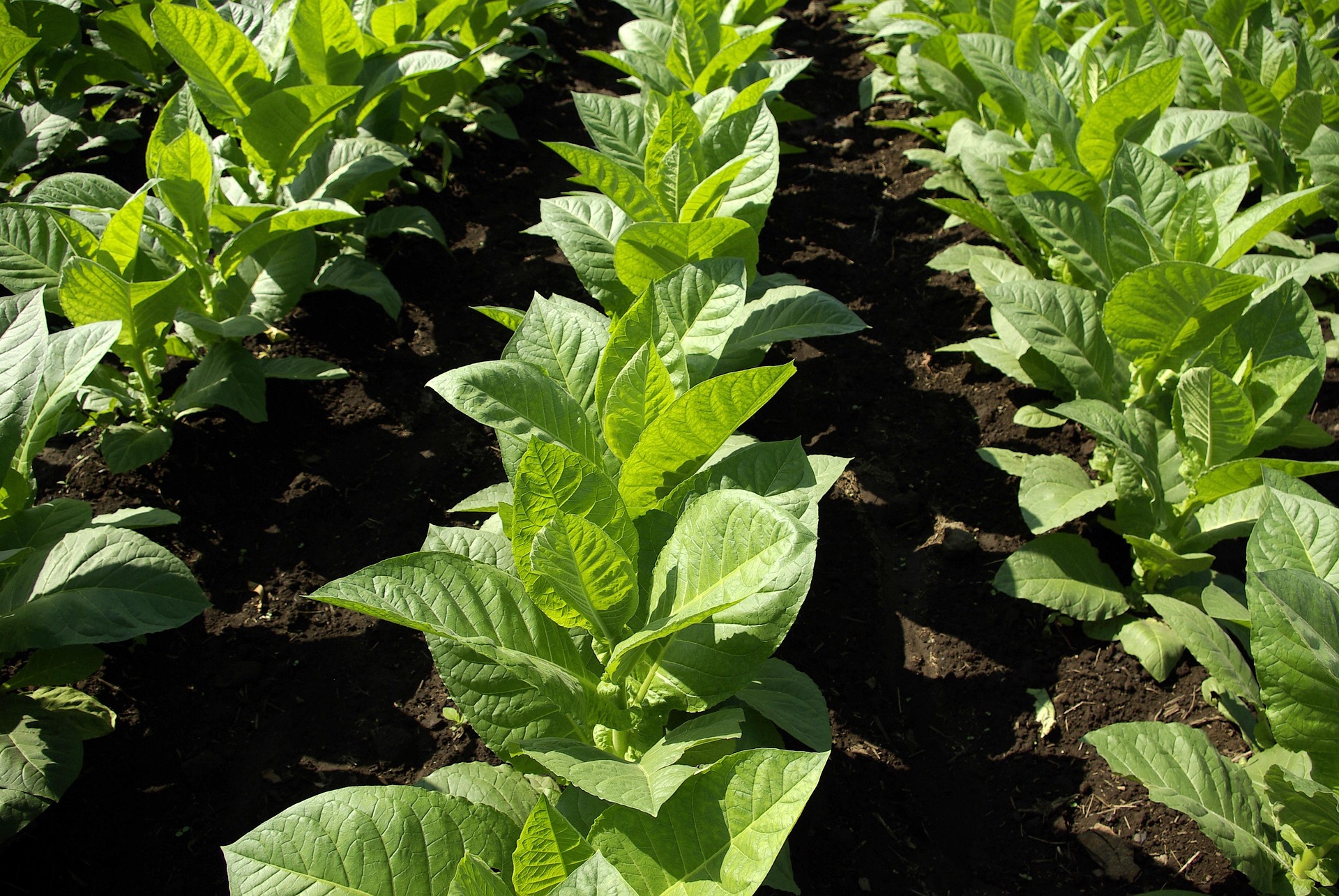
In 2024, approximately 34 000 tonnes of raw tobacco were produced in Italy by 1 228 growers across a total cultivated area of 11 359 hectares. This corresponds to approximately one third of total European production, confirming Italy as the leading producer at the continental level. On a global scale, Italy ranks 23rd, with a production share of approximately 0.6% of total worldwide output volume, at a considerable distance from the main producing countries, such as China, India, and Brazil.
Tobacco cultivation is distributed across the entire national territory. The largest share is concentrated in Central Italy, particularly in Umbria (36%), Tuscany (8.3%), and Lazio (2.7%), followed by the North, with Veneto (32%), and the South, with Campania (21%).
All varieties are cultivated in Italy with the exception of VG05. The most widespread group is VG01 (Flue Cured / Virginia Bright), grown principally in Veneto and Umbria, followed by VG02 (Light Air Cured / Burley / Maryland), produced almost exclusively in Campania. VG03 (Dark Air Cured / Badischer Geudertheimer / Havanna / Nostrano del Brenta) is similarly concentrated in Campania, whilst VG04 (Fire Cured / Kentucky) is cultivated mainly in Tuscany.
Principal Phytosanitary Challenges
-
Soil Nematodes
In the sandy soils of Veneto and the Upper Tiber Valley, cyst nematodes (Globodera tabacum, Heterodera tabacum) and root-knot nematodes (Meloidogyne incognita) cause significant root damage, leading to plant stress and negative effects on yield and final product quality. The damaged root system also makes the plants susceptible to secondary infections caused by other soil-borne pathogens that enter through root lesions. Pest pressure is increasing due to rising temperatures, the phase-out of fumigants previously used, and the limited availability of alternative products. -
Fungal Pathogens and Oomycetes
The oomycete Peronospora spp. can cause severe damage in seedbeds and open fields under favourable environmental conditions; the most effective systemic active substances for its control are no longer authorised. Root and collar rots caused by Phytophthora, Pythium, Rhizoctonia, and Fusarium may result in plant losses and delayed crop development, compromising stand uniformity and productivity. -
Tobacco Flea Beetle (Epitrix hirtipennis)
Tobacco is increasingly affected by the tobacco flea beetle (Epitrix hirtipennis). Adults feed on leaves, causing characteristic round perforations that negatively affect quality and, in cases of heavy infestation, yield. Control is at risk of becoming a phytosanitary emergency: pest pressure has increased substantially over the past two to three years, and chemical insecticide use is permitted only for a limited number of applications, with the additional concern of resistance development to predominantly older-generation active substances. -
Cutworms and Noctuid Moths
Noctuid Lepidoptera present a significant control challenge, particularly Helicoverpa armigera (cotton bollworm) and Mamestra brassicae (cabbage moth). The larvae, predominantly nocturnal, cause significant damage: H. armigera feeds on leaves and vegetative tips, whilst young larvae of M. brassicae consume leaf tissue before boring into stems at more advanced larval stages. Agrotis segetum (turnip moth) also represents a documented threat, causing collar damage and increased plant losses.
Quality and Sustainability in the Italian Supply Chain
The competitiveness of Italian tobacco rests upon quality, technological innovation, and sustainability. Quality extends beyond leaf grading to encompass the entire production process: adherence to agronomic standards, adoption of good agricultural and labour practices, worker protection and safety, regulatory compliance, integrity and control of non-tobacco related material (NTRM) in dried tobacco, and the capacity to guarantee a fully traceable product meeting manufacturer requirements.
Sustainability is supported by specific programmes promoted by manufacturers and producer organisations, encompassing protection of workers and farming communities, responsible use of plant protection products, reduction of environmental impact, preservation of soil fertility, and full traceability of cultivation practices.
The Italian tobacco supply chain is among the most advanced in Europe in the adoption of digital tools and precision technologies. The integration of decision support systems (DSS), vigour maps, unmanned aerial vehicles, and environmental sensors enables more accurate crop management, reducing resource waste and improving product quality. The digitalisation of crop records and phytosanitary treatment data ensures full traceability, now required by both manufacturers and sustainability programmes, and represents a key instrument for verifying agronomic practices throughout the supply chain. These elements have contributed to establishing the Italian supply chain as one of the most structured and thoroughly monitored at the European level, combining agricultural tradition, innovation, and environmental responsibility.
Tobacco cultivation in Poland has a long tradition and, despite a systematic decline in cultivation area, Poland remains one of the largest producers of tobacco in the European Union. In 2025, tobacco was cultivated on approximately 9 000 hectares by approximately 3 300 farms, representing a further decline in the grower population compared to preceding years. Production is strongly concentrated at the regional level and is carried out predominantly by specialised farms, frequently associated in producer groups.
Main Cultivation Regions and Varieties
Tobacco cultivation in Poland is concentrated almost exclusively in the south-eastern part of the country, where favourable soil and climatic conditions prevail. The principal producing voivodeships are: Lubelskie, Podkarpackie, Malopolskie, Swietokrzyskie, Podlaskie, and Kujawsko-Pomorskie. In terms of varietal structure, flue-cured tobaccos clearly dominate, accounting for approximately 90 to 91% of the total cultivated area, with Burley representing approximately 6 to 7% and dark fire-cured types approximately 3%.
Economic Importance
Although the overall scale of tobacco cultivation is declining, the crop retains significant economic and social importance, particularly in regions with limited alternative agricultural production options. The sector provides livelihoods, both directly and indirectly, for tens of thousands of people.
Principal Phytosanitary and Climatic Challenges
The most serious biotic threats include insect pests (thrips, wireworms, cutworms, aphids), viral diseases (tomato spotted wilt virus, tobacco mosaic virus, potato virus Y), and fungal and bacterial pathogens (Sclerotinia spp., Pseudomonas spp.). Climate change is increasing the risk of drought during the growing season, extreme weather events (hailstorms), and flooding. Additional pressures include rising production costs (labour, energy, and agricultural inputs), and a shortages of seasonal workers.
2025 Harvest
Production is geographically concentrated in Extremadura (northern Cáceres province), principally in the districts of La Vera, Campo Arañuelo, and Valle del Alagón. The crop is cultivated under irrigation (100% sprinkler) in warm and dry summer conditions. More than 98% of the cultivated area is devoted to flue-cured Virginia, with the remaining varieties representing only residual proportions.
Sector Evolution 2020 to 2025
| Year | Farmers | Area (ha) | Contracted (tonnes) | Produced (tonnes) |
|---|---|---|---|---|
| 2020 | 1 076 | 7 808 | 26 934 | 24 313 |
| 2021 | 1 045 | 7 992 | 26 552 | 26 000 |
| 2022 | 962 | 6 269 | 23 035 | 19 900 |
| 2023 | 884 | 5 598 | 22 053 | 12 234 |
| 2024 | 891 | 6 058 | 22 255 | 19 405 |
| 2025* | 855 | 6 301 | 22 864 | 21 340 |
* 2025 estimated; official data not yet available.
The sector data reveal a sharp contraction in cultivated area and grower numbers from 2022 onwards, coinciding with the European energy-cost crisis and its particular impact on flue-cured drying operations. Increasing farm concentration is reflected by a rise in average farm size from approximately 6.5 ha in 2022 to 7.37 ha in 2025. Contracted volumes have nonetheless remained stable at above 22 000 tonnes since 2022, and a notable production recovery is apparent following the severe climatic impacts recorded in 2023.
Main Varieties 2025
| Variety | Area (ha) | Contracted (tonnes) | Produced (tonnes)* |
|---|---|---|---|
| Flue Cured (Virginia) | 6 200 | 22 512 | 21 000 |
| Light Air Cured (Burley) | 70 | 243 | 240 |
| Dark Air Cured (Havana) | 16 | 64 | 60 |
| Fire Cured (Kentucky) | 15 | 45 | 40 |
* 2025 estimated; official data not yet available.
Principal Phytosanitary Challenges
Pests of primary concern include nematodes, aphids, mites, and Epitrix spp. Fungal diseases recorded include blue mould (Peronospora tabacina), powdery mildew (Golovinomyces cichoracearum), and Fusarium spp. Weed management challenges include broadleaf weed pressure and broomrapes (Orobanche spp.).
Key Challenges
The Spanish tobacco sector faces a convergence of structural and operational pressures: a declining grower base, rising energy costs associated with flue-cured drying, increasing climate variability, phytosanitary constraints arising from the diminishing availability of authorised plant protection products, regulatory uncertainty at EU level, and constraints on generational renewal within farming communities.
Hungarian tobacco production is geographically concentrated in Szabolcs-Szatmar-Bereg county in the north-east of the country. Approximately 75% of the cultivated area is irrigated using sprinkler technology. The 2025 harvest was the largest recorded in the past six years. Flue Cured Virginia is the dominant varietal group, accounting for approximately 2 342 ha (4 969 tonnes), with Burley occupying 258 ha (456 tonnes).
Sector Evolution 2020 to 2025
| Year | Farmers | Area (ha) | Contracted (tonnes) | Produced (tonnes) |
|---|---|---|---|---|
| 2020 | 666 | 3 266 | 5 331 | 4 114 |
| 2021 | 556 | 3 103 | 4 514 | 5 348 |
| 2022 | 490 | 2 853 | 4 230 | 3 152 |
| 2023 | 411 | 2 566 | 3 545 | 3 639 |
| 2024 | 381 | 2 756 | 3 716 | 4 106 |
| 2025 | 358 | 2 600 | 3 595 | 5 425 |
Principal Phytosanitary Challenges
Insect pests of primary concern include Thrips tabaci, Agrotis segetum, and Helicoverpa armigera. Fungal diseases recorded include blue mould (Peronospora tabacina), Fusarium spp., and Sclerotinia spp. Parasitic weed pressure from Orobanche ramosa and Orobanche cumana represents an additional and currently unresolved agronomic challenge.
Key Challenges
The Hungarian tobacco sector faces a convergence of structural and operational pressures: a declining grower base, rising energy costs associated with flue-cured drying, increasing climate variability, phytosanitary constraints arising from the diminishing availability of authorised plant protection products, regulatory uncertainty at EU level, and constraints on generational renewal within farming communities.
Tobacco cultivation in France currently covers approximately 1 020 hectares, with an annual national output of approximately 3 500 tonnes. Three principal types are cultivated: Flue Cured Virginia (FCV), accounting for 73% of total production, Burley (23%), and Dark tobacco (4%).
Geographic Concentration and Varietal Distribution
Production is geographically differentiated by region. In the northern regions, cultivation focuses on FCV tobacco destined principally for the shisha market, whilst southern growers produce Dark tobacco, Burley, and flue-cured Virginia varieties.
Climate and 2025 Season
The 2025 growing season was characterised by persistent and heavy rainfall across multiple periods (winter, spring, and summer), with climatic challenges more pronounced than in 2024. Excessive rainfall, waterlogging, hailstorms, and stronger and more frequent adverse weather conditions were recorded. Certain events delayed transplanting in some plots and caused localised crop damage; nevertheless, field recovery was generally satisfactory. Despite heavy spring rainfall in many areas and elevated summer temperatures, crop development remained broadly positive, although maturation occurred slightly later than usual. The 2025 season will be notable for persistent rainfall throughout much of the production cycle and for the heatwave recorded from late July to early August.
Principal Phytosanitary Challenges
Phytosanitary pressure recorded during the 2025 season included Botrytis cinerea in seedbeds; Sclerotinia spp. in both seedbeds and open field; blue mould (Peronospora tabacina); viral diseases comprising alfalfa mosaic virus (AMV), cucumber mosaic virus (CMV), tobacco mosaic virus (TMV), and potato virus Y (PVY); Epitrix spp.; cutworms (Agrotis segetum); budworms (Helicoverpa armigera); and broomrape (Orobanche spp.).
Approximately 98% of tobacco cultivated in Germany is Virginia tobacco. Varieties developed by NiCoTa GmbH are grown across all producing regions; these carry extensive resistance and tolerance traits relevant to the principal pathogens encountered under German growing conditions.
Climate and Producing Regions
Germany's climate belongs to the cool temperate zone, lying in the transitional area between the maritime climate of Western Europe and the continental climate of Eastern Europe. Four principal producing regions are recognised, each with distinct climatic characteristics.
Baden-Württemberg and Rhineland-Palatinate are among the most climatically favoured regions in Germany. Their transitional climate combines Atlantic influences (mild and humid) with continental tendencies towards drier and more variable conditions, with particularly mild expressions in the Rhine Valley. Average annual temperatures in the valleys frequently lie between 11 and 14°C. Progressive climate change is, however, generating new temperature records, with annual averages now exceeding 10°C across parts of south-western Germany.
Bavaria occupies a warm temperate transitional zone between the maritime climate of Western Europe and the more continental climate of Eastern Europe. Growing conditions are characterised by pronounced seasonal variation, frequently cold winters, and moderately warm to warm summers.
Lower Saxony lies within the temperate climate zone of Central Europe, also in the transitional area between maritime western and continental eastern influences. Maritime conditions predominate, producing mild winters and moderately warm summers. Precipitation is distributed across the year with discernible seasonal variation, and average annual temperatures range from approximately 8.0 to 8.5°C.
The eastern regions of Germany occupy a warm temperate transitional zone with a broadly similar east-west gradient between maritime and continental influences, generally yielding mild summers and moderate winters.
Principal Phytosanitary Challenges
The primary fungal threats to tobacco cultivation in Germany are blue mould (Peronospora tabacina) and Sclerotinia sclerotiorum. Broomrape (Orobanche ramosa) remains an unresolved agronomic problem for which no adequate authorised control measures are currently available.
Main Pests & Diseases
The most frequently cited pests and diseases across EU tobacco-producing countries are presented below. Flags indicate the Member States where each organism has been reported by the CEG Tobacco.
Peronospora spp.
Common name: blue mould
Peronospora spp. can cause severe damage in seedbeds and open fields; the most effective systemic active substances for its control are no longer authorised.
Orobanche spp.
Common name: broomrape
Parasitic weed pressure from Orobanche ramosa and Orobanche cumana represents an additional and currently unresolved agronomic challenge. Broomrape (Orobanche ramosa) remains an unresolved agronomic problem for which no adequate authorised control measures are currently available.
Fusarium spp.
Root and collar rots caused by Phytophthora, Pythium, Rhizoctonia, and Fusarium may result in plant losses and delayed crop development, compromising stand uniformity and productivity.
Sclerotinia spp.
Sclerotinia spp. are recorded in both seedbeds and open field. Sclerotinia sclerotiorum is among the primary fungal threats to tobacco cultivation in Germany.
Helicoverpa armigera
Common name: cotton bollworm, tobacco budworm
Helicoverpa armigera (tobacco budworm) and Mamestra brassicae (cabbage moth) larvae (mainly active at night) are of particular agronomic importance as they cause significant damage.
Agrotis segetum
Common name: turnip moth
Agrotis segetum (turnip moth) damages the plant collar, leading to increasing plant losses.
Epitrix hirtipennis
Common name: tobacco flea beetle
Adult beetles cause characteristic round perforations (shot holes) in leaves, negatively affecting leaf quality and therefore yield. Pest pressure has increased markedly over the past two to three years and it is becoming a critical situation as the use of chemical insecticides is permitted only for a limited number of applications (one or two depending on regional provisions), with the additional critical issue of resistance development (as these are mostly older-generation active substances).
Chair and Co-Chair
- Chair: Martina Cappelletti, representative of Italy, since February 2022.
- Co-Chair: Esther Verdejo, representative of Spain, since October 2024.
MUCF Disclaimer: Every effort has been made to ensure that all information presented in this document is accurate and current. However, the MUCF does not accept liability for any error or omission in the content. Data on cultivated areas, production volumes, and grower numbers are subject to annual revision. Where 2025 data are indicated as estimates, official confirmation from national authorities remains pending.